

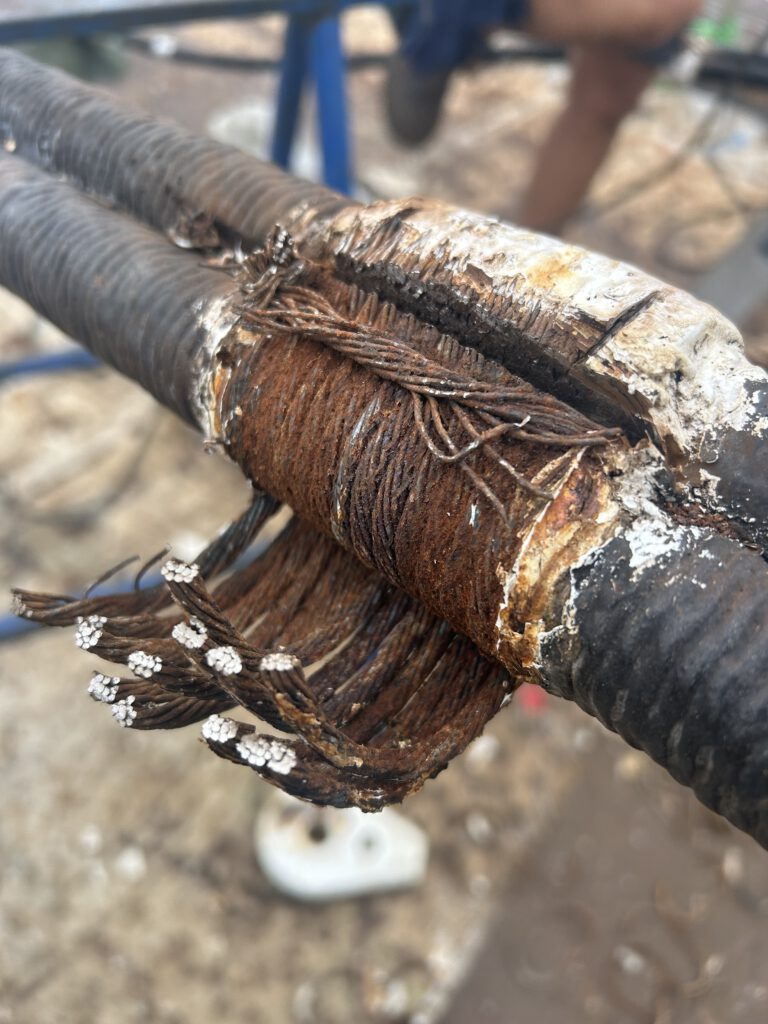
The question many sailors avoid… until it’s too late.
One of the most common mistakes in sailboat maintenance is assuming that standing rigging lasts forever. Shrouds, stays, turnbuckles and terminals look strong and permanent… until the day they fail.
The truth is that standing rigging has a limited lifespan, even on boats that see little use. Wind loads, salt, vibration and constant tension slowly weaken the whole system.
In this article we explain how often standing rigging should be replaced, which warning signs to look for, and what you risk by putting replacement off for too long.
How many years does standing rigging last?
The general recommendation in the marine industry is:
- 10–15 years for a modern rig on most cruising sailboats
- 20–25 years for a traditional rig
The actual lifespan, however, depends on several factors:
- How often the boat sails
- Sailing conditions
- Exposure to sun and salt
- Quality of the rigging materials
- Maintenance history
Boats that sail a lot or make offshore passages may need new rigging before the 10-year mark on a modern rig, or after around 18 years on a traditional rig. Even lightly used boats can suffer from metal fatigue and hidden corrosion. In short: condition matters more than age — but age is still a useful guide.
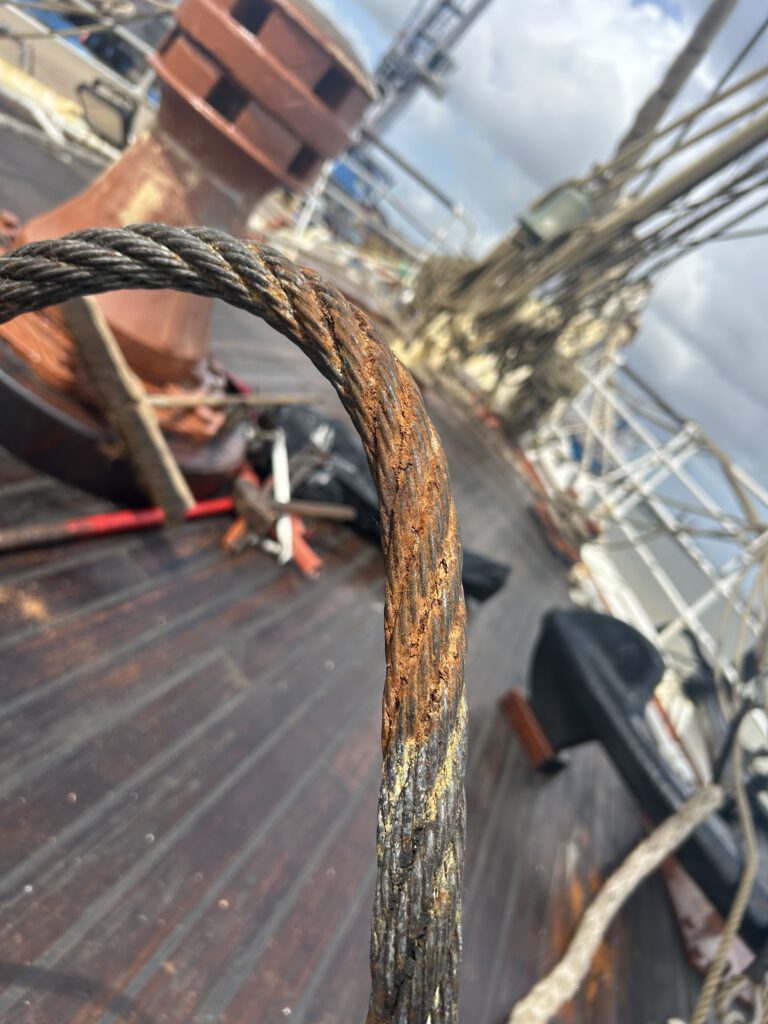
Warning signs your standing rigging may need replacing
Rigging problems often develop without obvious warning. Still, there are several signs every skipper should watch for:
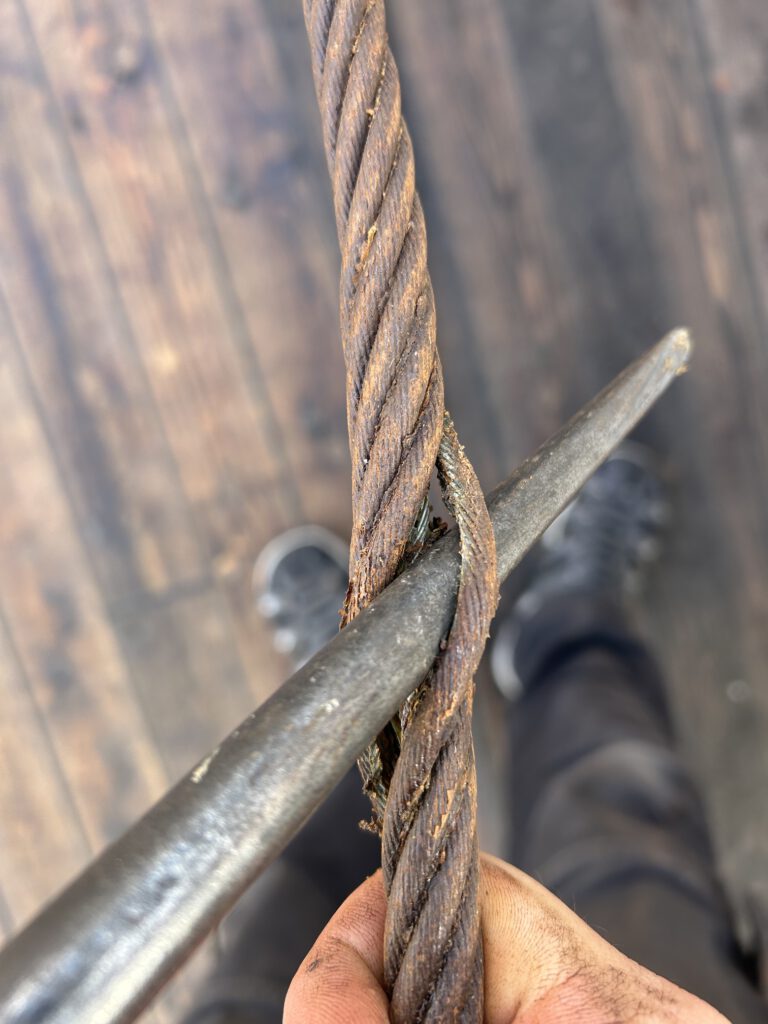
- Broken strands in the wire. Even a single broken strand is a clear sign of fatigue.
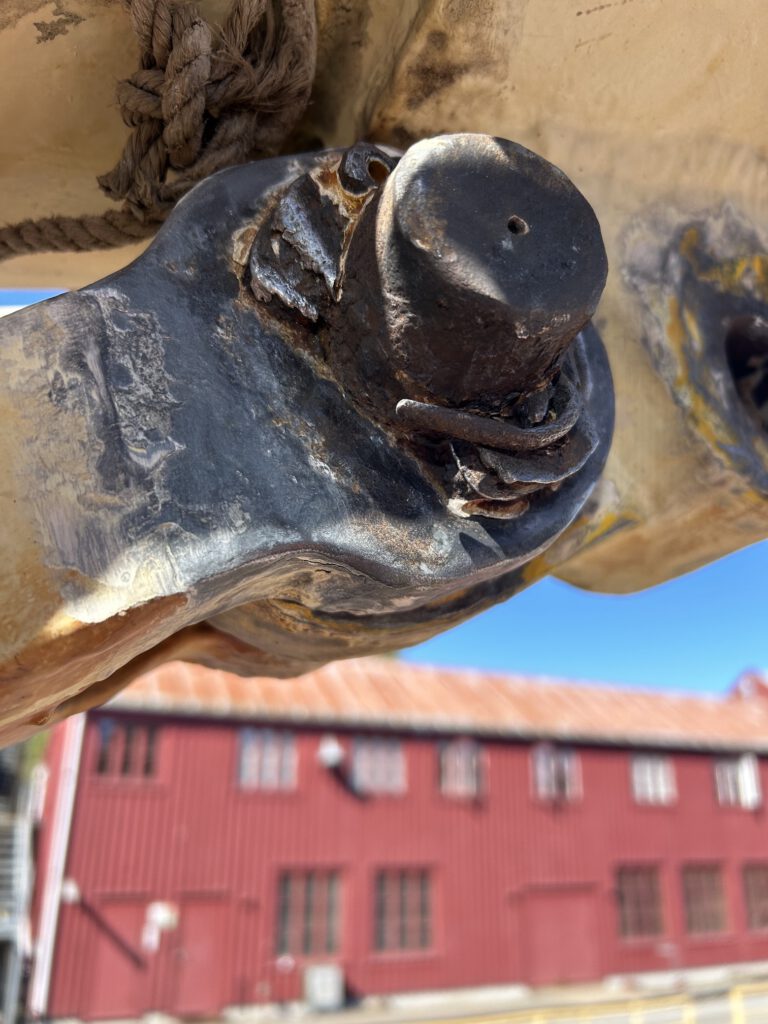
- Corrosion on terminals, turnbuckles or iron fittings. Corrosion weakens metal components and can lead to sudden failure.
- Cracked swage fittings or slipping seizings. Hairline cracks in swage fittings are one of the most common failure points, and a seizing that slips means the wire is no longer held as it should be.
- Rigging that keeps losing tension. If you regularly need to retune the rig, it may point to underlying wear.
- Unusual noises or vibration in the mast. Creaking or vibration can reveal abnormal loads in the rig.
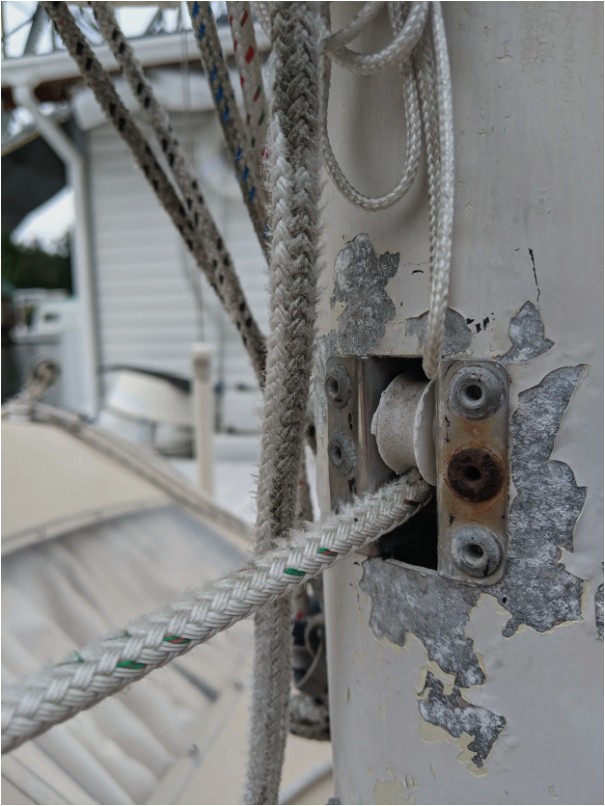
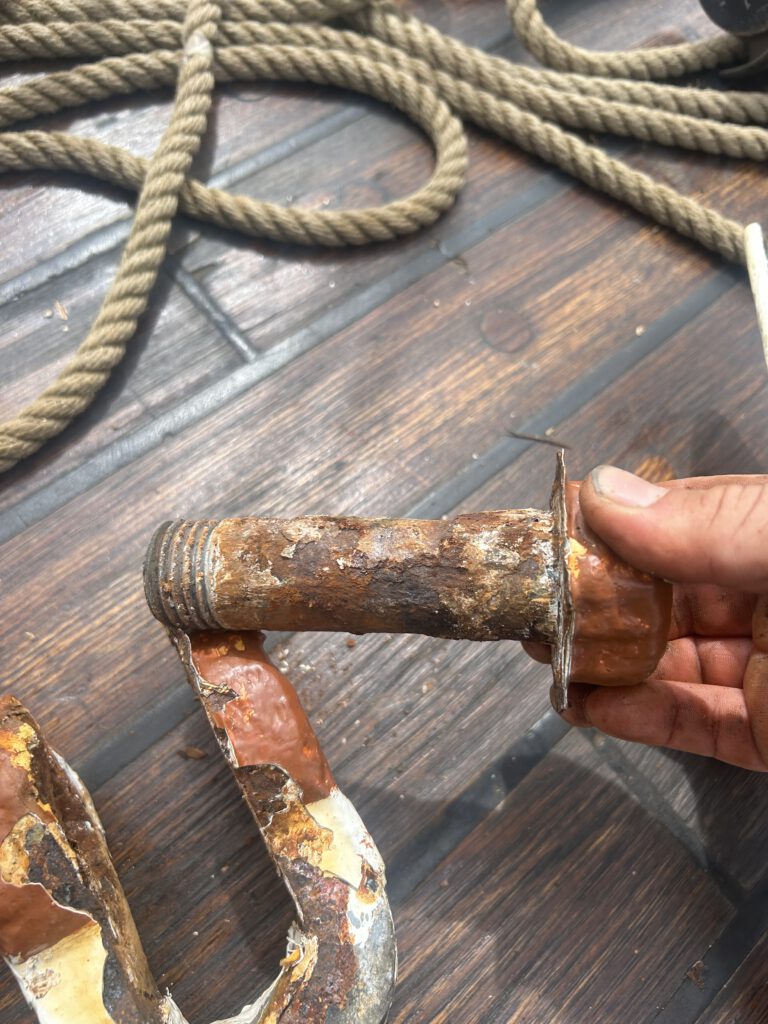
The hidden danger of ageing rigging
One of the biggest risks is that many failures happen without any visible warning. Internal corrosion inside swage fittings, or where the wire enters a metal component, can progress unnoticed for years.
That is why so many dismastings happen on boats where the rigging “looked fine” from the outside. A professional rig inspection can find these hidden risks before they become serious problems.
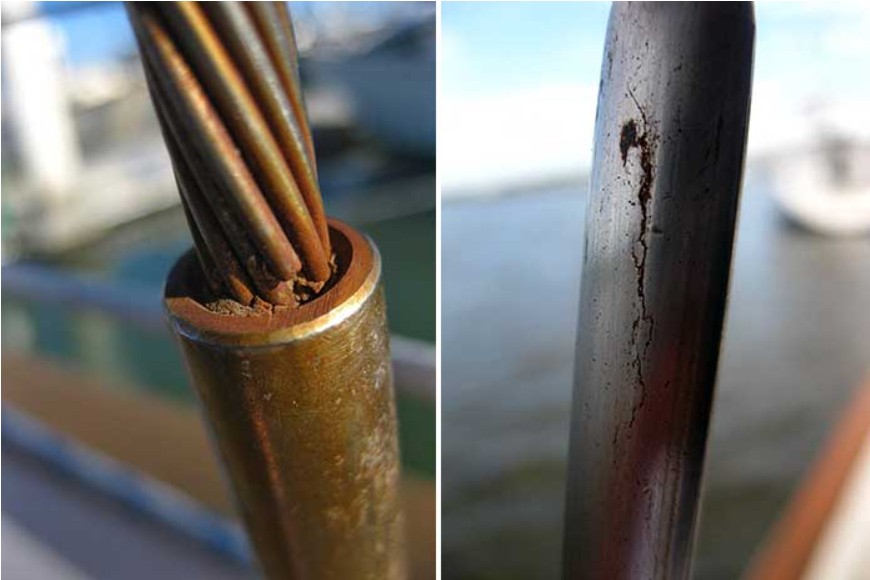
When should you inspect your rigging?
Experienced sailors usually schedule an inspection at key moments:
- Before a long passage
- Before an ocean crossing
- After heavy weather
- When buying a used boat
- When the rigging is more than 10 years old
A rig that is regularly inspected, washed down and tuned will outlast one that is ignored, which is why we recommend an inspection at least once a year.
A complete inspection normally includes checking:
- Terminals
- Turnbuckles
- Wire condition
- Mast fittings
- Spreaders
- Load points
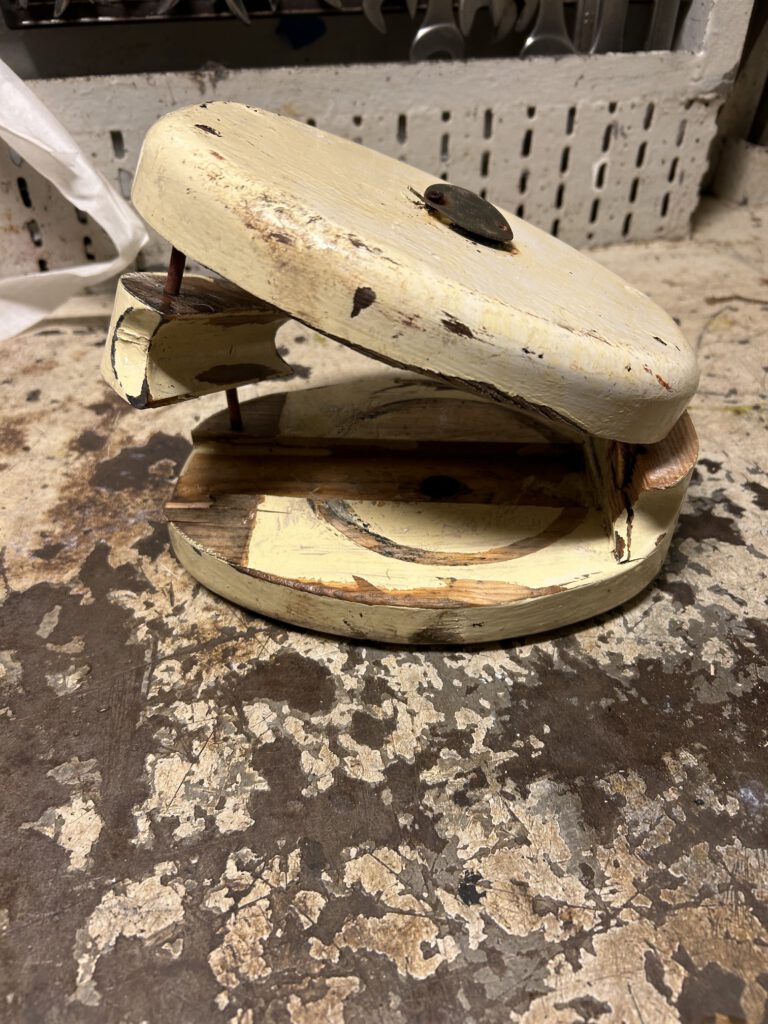
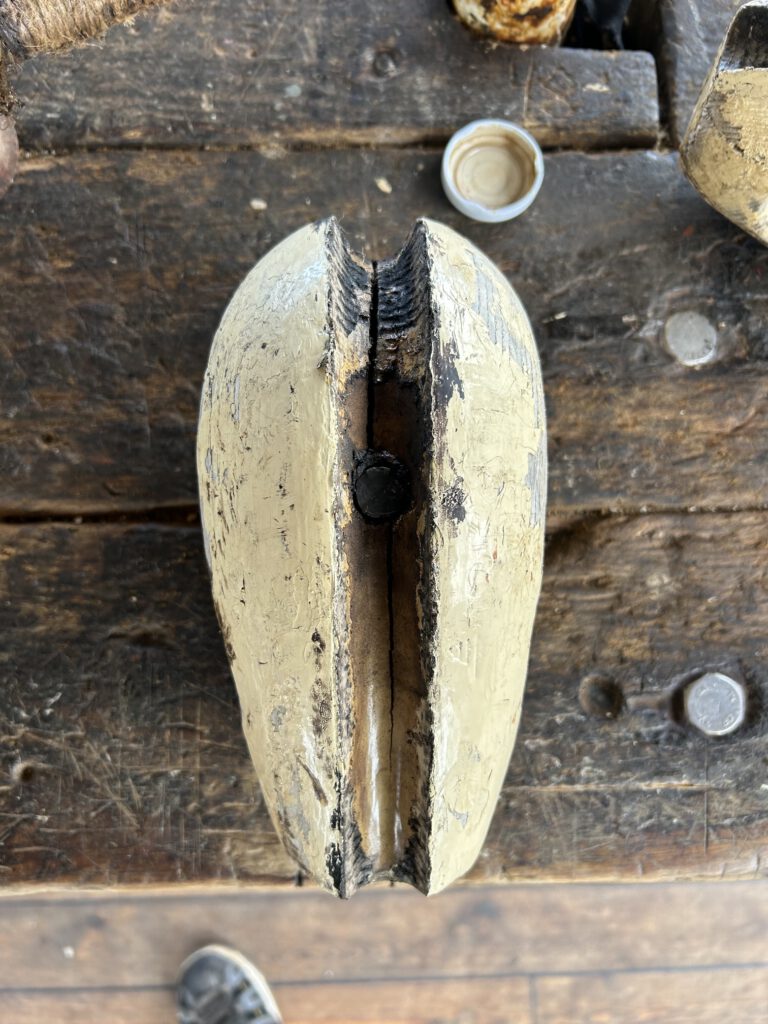
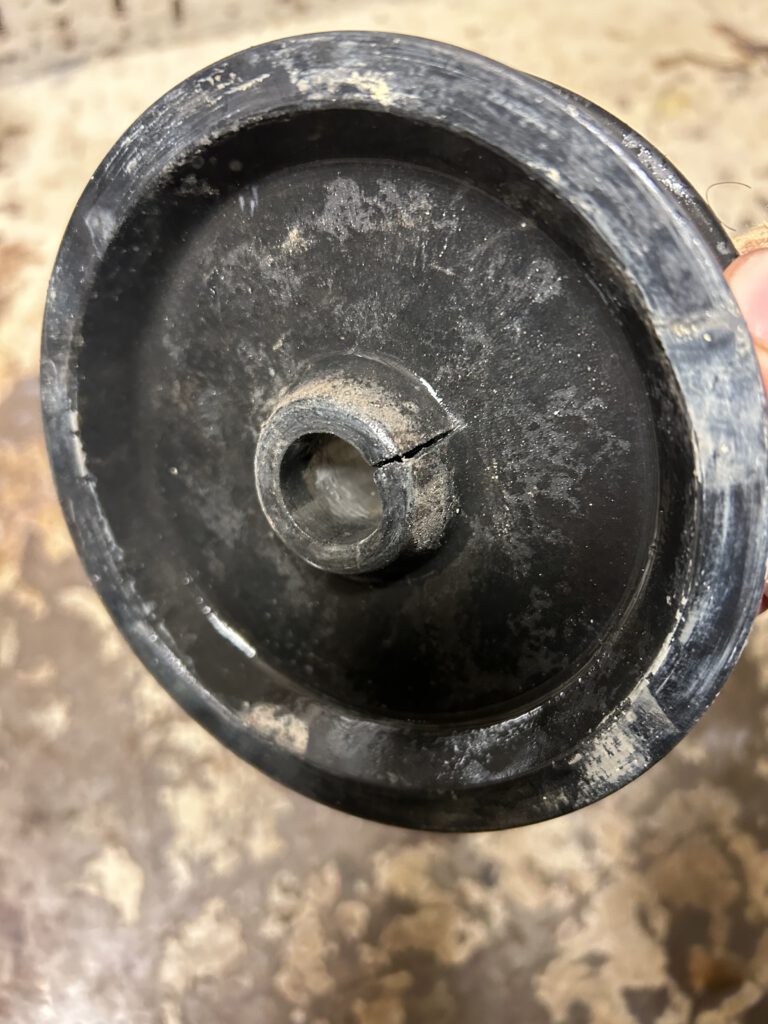
Between inspections, keep an eye out for rust streaks at terminals, broken wire strands, play in fittings and any change in how the rig is tuned. Chafe on standing rigging is unavoidable, but a few simple measures go a long way towards keeping it in check.
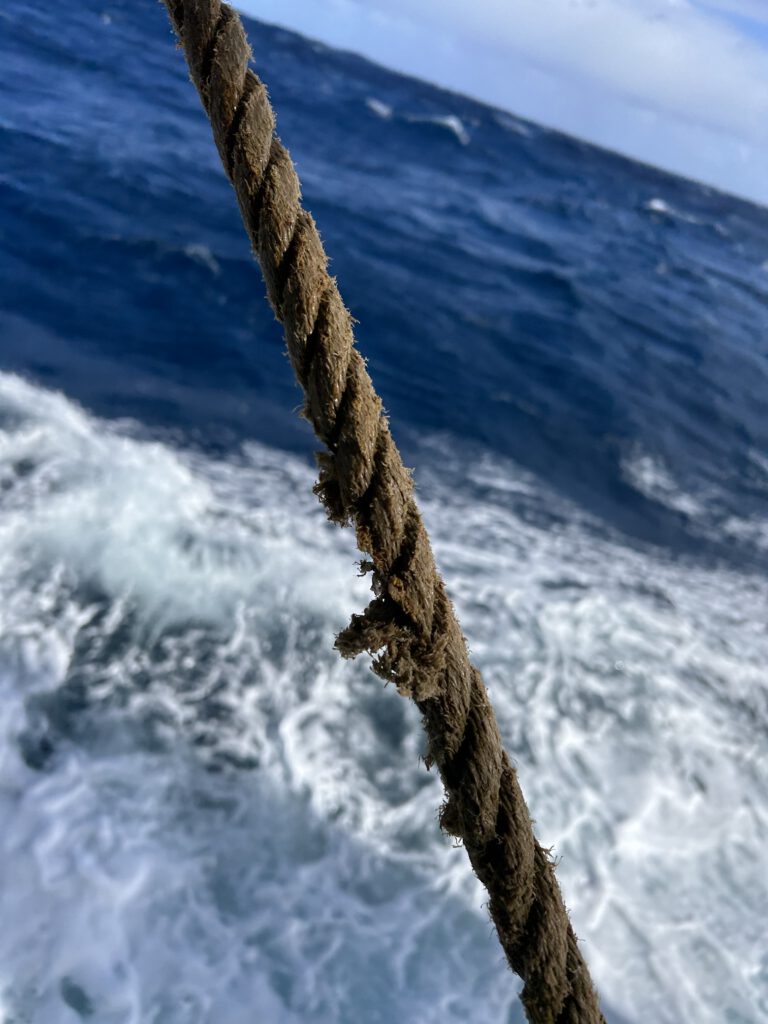
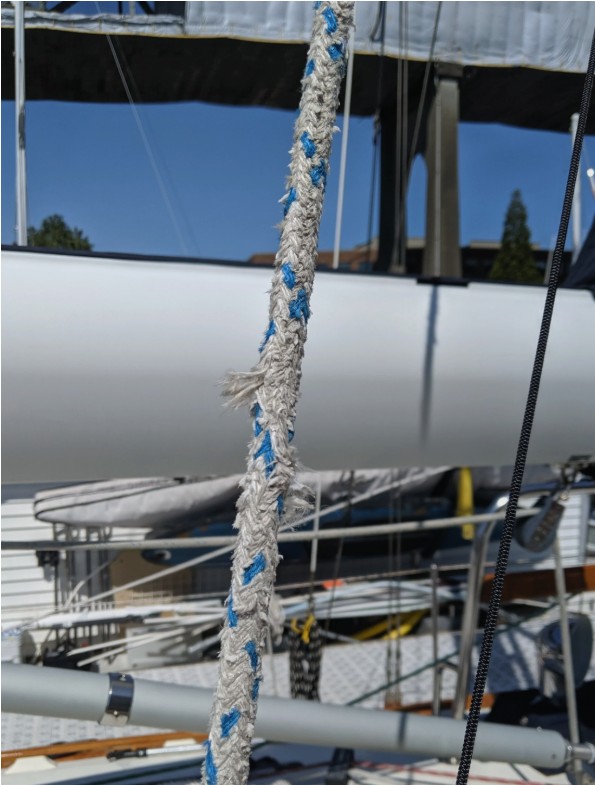
A small investment that prevents major problems
Replacing standing rigging may seem like a large expense, but it is small compared to the consequences of a failure at sea. A dismasting can cause:
- Damage to the deck
- Loss of sails
- Structural damage to the hull
- Dangerous emergency situations
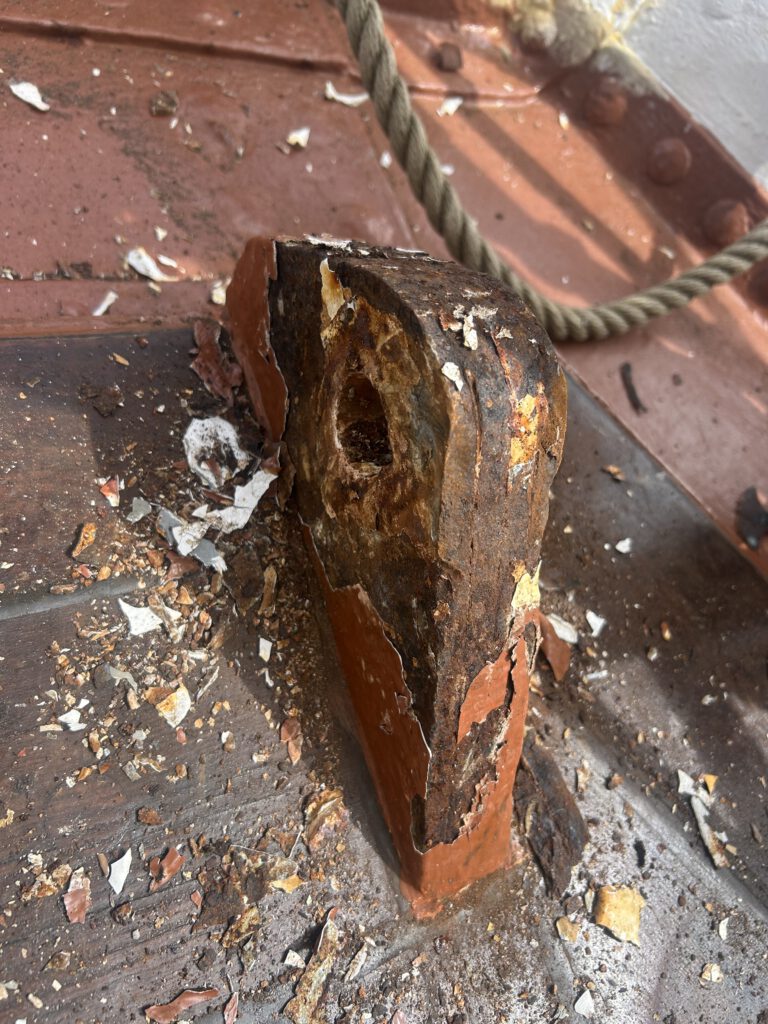
Preventive maintenance is always the safest approach.
Planning rigging work on your vessel? Request a quote — we reply within 24 hours.